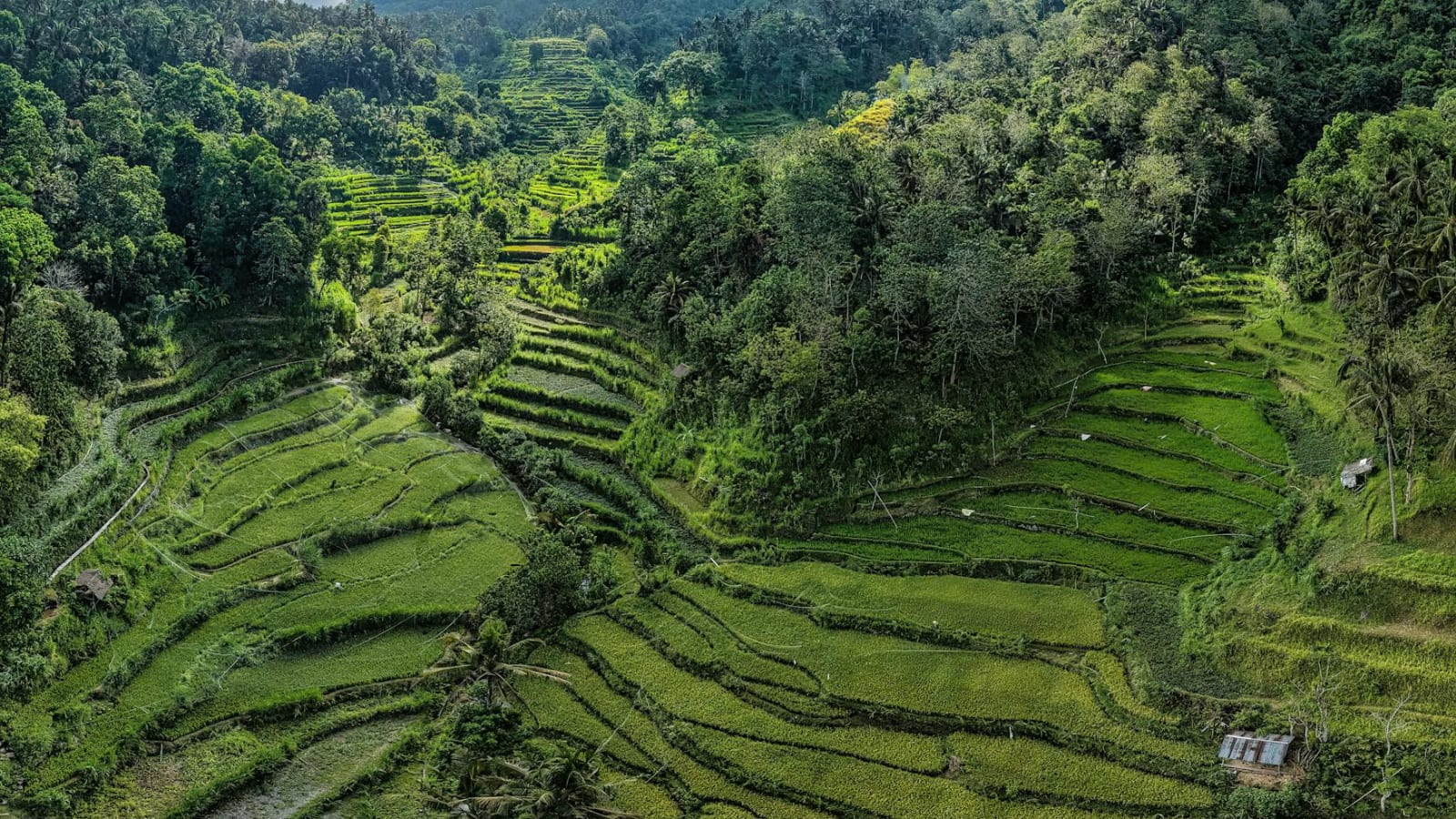
Best Time to Visit Bali in 2026
Choosing the best time to visit Bali in 2026 can transform your Indonesian adventure from merely good to absolutely extraordinary. This tropical paradise experiences distinct wet and dry seasons, each offering unique advantages for different types of travellers. Whether you're chasing perfect surf breaks, seeking cultural immersion during religious festivals, or hunting for the most affordable flights, understanding Bali's seasonal patterns will help you plan the ultimate island escape.
Bali sits just eight degrees south of the equator, which means warm temperatures year-round but also significant rainfall variations. The island's microclimates create fascinating weather differences between coastal areas and the central highlands, so your ideal travel window depends heavily on where you plan to spend most of your time and what experiences top your list.
Understanding Bali's climate and seasons
Bali operates on a tropical monsoon climate with two primary seasons. The dry season runs from April through October, delivering sunny skies, lower humidity, and ideal conditions for beach activities and outdoor adventures. During these months, you'll experience temperatures ranging from 27°C to 32°C with minimal rainfall, particularly between June and September when precipitation drops to its lowest levels.
The wet season spans November through March, bringing afternoon thunderstorms and higher humidity. Don't let this deter you entirely—mornings often remain sunny and clear, with rain typically arriving in short, intense bursts during late afternoon or evening. The wet season transforms Bali's landscape into a lush, vibrant green paradise, and you'll benefit from significantly lower accommodation rates and fewer tourists at popular attractions.
Microclimates across the island mean Ubud and the central highlands receive considerably more rainfall than southern beach areas like Seminyak or Nusa Dua. The west coast near Medewi tends to stay drier during wet season months, while the east coast and northern regions around Lovina experience their own distinct weather patterns. Factor these regional differences into your itinerary planning.
Peak season in Bali: June to August 2026
The mid-year months represent Bali's absolute peak season, when European and Australian school holidays drive massive tourist influx. You'll encounter the driest weather of the year, with June through August offering virtually guaranteed sunshine and calm seas perfect for swimming, snorkelling, and diving. Visibility underwater reaches its peak during these months, making it ideal for exploring colourful coral reefs around Amed, Tulamben, and the Nusa Islands.
However, peak season comes with notable trade-offs. Accommodation prices surge 40-60% above low-season rates, and popular attractions like Tanah Lot Temple, Tegallalang Rice Terraces, and the Instagram-famous Bali Swings become uncomfortably crowded. Beach clubs in Seminyak operate at full capacity, and you'll need advance reservations for renowned restaurants. Traffic congestion in southern Bali intensifies dramatically, with journeys taking twice as long as usual.
If you're committed to visiting during these months, book flights and hotels at least three to four months ahead to secure reasonable rates. Consider staying in less-touristed areas like Sanur, Canggu, or East Bali, then making day trips to major attractions. Arrive at popular sites by 7am to beat the crowds, or visit during late afternoon when tour groups have departed.
Special considerations for July and August
July brings the Bali Arts Festival to Denpasar, showcasing traditional dance, music, and crafts across multiple venues. August coincides with Indonesian Independence Day celebrations on the 17th, adding cultural richness but also local crowds to your experience. Both months see accommodation availability become extremely limited, particularly in Ubud and Canggu.
Shoulder seasons: April-May and September-October 2026
These transitional months offer the sweet spot for savvy travellers seeking excellent weather without peak-season chaos. April and May usher in the dry season with occasional brief showers that quickly clear, while September and October extend the sunshine as the wet season approaches. You'll enjoy temperatures in the comfortable 28-30°C range with moderate humidity and refreshing breezes.
Shoulder season delivers 30-40% lower accommodation rates compared to peak months, and attractions feel pleasantly uncrowded. Restaurant reservations become easier to secure, and you'll have better negotiating power for private drivers, surf lessons, and spa treatments. The ocean remains calm and clear for water activities, while rice paddies showcase vibrant green hues, particularly in April and May following wet-season rains.
April brings Nyepi, Bali's Day of Silence, when the entire island shuts down for 24 hours—no lights, no noise, no travel, including to the airport. This profoundly spiritual experience offers a rare glimpse into Balinese Hindu culture, but requires careful planning. Book accommodation you'll be happy to stay at for the full day, and arrange airport transfers accordingly. The evening before Nyepi features spectacular Ogoh-Ogoh parades with enormous demon effigies paraded through streets.
October festivities and surf conditions
October marks the tail end of prime surf season on Bali's west coast, with consistent swells still rolling into breaks like Uluwatu, Padang Padang, and Canggu. The month occasionally sees early wet-season showers, but these typically arrive in short bursts rather than all-day rain. October also brings cooler water temperatures, so consider packing a short wetsuit for extended surf sessions.
Low season opportunities: November to March 2026
Bali's wet season offers compelling advantages for budget-conscious travellers and those seeking authentic experiences beyond tourist hordes. Accommodation rates drop to their lowest levels, with luxury resorts offering deals up to 50% off peak-season prices. You'll have beaches, temples, and restaurants largely to yourself, creating opportunities for genuine connections with locals and more personalised service everywhere you go.
Rainfall during these months typically follows predictable afternoon patterns. Mornings frequently dawn clear and sunny, perfect for temple visits, rice terrace walks, and market exploration. Rain usually arrives between 2pm and 6pm in heavy but brief downpours, then clears for pleasant evenings. Some days bring extended storms, but consecutive days of all-day rain remain relatively rare, even in January and February—the wettest months.
The wet season transforms Bali into a photographer's paradise. Rice terraces glow electric green, waterfalls cascade at full force, and the absence of tourists means unobstructed shots at iconic locations. Surfers flock to the east coast during these months, where offshore winds create excellent conditions at breaks like Keramas, Sanur, and Nusa Dua. The west coast experiences onshore winds and choppy conditions, making it less suitable for surfing but still enjoyable for swimming.
Festival highlights during wet season
December and January feature numerous temple ceremonies and festivals, with Galungan—celebrating the victory of good over evil—occurring every 210 days according to the Balinese calendar. Villages erect decorated bamboo poles called penjor along streets, and families dress in traditional ceremonial attire for temple visits. These authentic cultural experiences far outweigh minor weather inconveniences for many travellers.
Month-by-month breakdown for 2026
January starts the year with frequent afternoon showers and high humidity, but accommodation bargains abound. February continues wet patterns but sees slightly less rainfall. March transitions toward drier weather, with rain diminishing by month's end. April delivers increasingly sunny days with Nyepi falling on March 30th in 2026, technically just before April begins. May offers near-perfect conditions with minimal rain and comfortable temperatures.
June marks the official start of peak season with reliable sunshine and calm seas. July brings maximum crowds and prices alongside guaranteed blue skies. August continues peak conditions with sultry temperatures and busy attractions. September sees crowds thin slightly while maintaining excellent weather. October provides the year's best value proposition with great weather and moderate tourist numbers.
November initiates the wet season with afternoon thunderstorms becoming regular occurrences. December brings festive holiday crowds despite rainy conditions, with Christmas and New Year driving a mini peak season. Accommodation prices rise considerably during the final two weeks of December before dropping again in early January.
Best time for specific activities
For surfing, the west coast delivers optimal conditions April through October, with June through August providing the most consistent swells. East coast breaks work best November through March when winds shift. Diving and snorkelling peak April through October when visibility reaches 30 metres or more, though many sites remain diveable year-round with 15-20 metre visibility during wet months.
Cultural enthusiasts should align visits with major festivals: Nyepi in March or April, Galungan occurring roughly every seven months, and the Bali Arts Festival in June-July. Temple ceremonies happen constantly throughout the year, but the dry season makes attending outdoor events more comfortable. Photographers should consider the wet season for dramatic skies, lush landscapes, and empty locations, or the shoulder seasons for optimal light without weather concerns.
Rice terrace visits prove most photogenic March through May when paddies showcase bright green new growth, and September through November during the second growing season. Wildlife spotting in West Bali National Park and around Mount Batur improves during dry months when animals congregate around water sources. Hiking Mount Batur or Mount Agung requires dry-season conditions for safety and visibility, with April through October recommended.
Yoga retreats and wellness travel
Ubud's yoga and wellness scene operates year-round, but shoulder seasons provide the most comfortable temperatures for intensive practice. The wet season offers lower retreat prices and more intimate group sizes, though humidity during practice requires acclimatisation. Many retreat centres offer covered studios, making weather less of a concern than at beach-based yoga venues.
Booking strategies for 2026 travel
For peak-season travel in June, July, or August, book flights at least four to six months in advance to secure optimal fares. Set price alerts through Fareoworld to monitor fluctuations and book when prices dip. Shoulder-season travel offers more flexibility, with three to four months advance booking typically sufficient for good deals. Low-season travellers can sometimes find last-minute bargains, though booking two months ahead ensures better flight times and accommodation choices.
Consider flying midweek rather than on weekends when prices typically spike. Red-eye flights often cost less than daytime services, and routing through Kuala Lumpur, Singapore, or Bangkok instead of direct flights can yield significant savings. Compare prices for flying into Ngurah Rai International Airport versus nearby alternatives if you're planning to visit other Indonesian islands as part of your journey.
Accommodation booking strategies vary by season. During peak months, secure hotels or villas four to five months ahead, particularly in popular areas like Seminyak, Ubud, or Uluwatu. Shoulder seasons allow for more spontaneity, and you can often negotiate better rates by booking directly with properties rather than through aggregators. Wet-season travellers might wait for last-minute deals, though popular properties still book out during school holiday periods.
Making the most of your chosen travel window
Regardless of when you visit, strategic planning maximises your Bali experience. During peak season, embrace early starts to beat crowds at attractions, seek out lesser-known temples and beaches, and build downtime into your itinerary to avoid tourist-fatigue burnout. Shoulder seasons offer the flexibility to be spontaneous—book activities a day or two in advance rather than months ahead, and leave room for serendipitous discoveries.
Wet-season visitors should pack light rain jackets, waterproof phone cases, and quick-dry clothing. Plan indoor activities like cooking classes, spa visits, museum tours, and temple visits for afternoons when rain typically arrives. Embrace the slower pace that wet-season travel encourages, using rainy hours for reading, yoga, or simply enjoying your accommodation's amenities. Many villas and hotels become incredible value during these months precisely because fewer tourists brave the weather.
The best time to visit Bali in 2026 ultimately depends on your priorities, budget, and tolerance for crowds versus weather uncertainty. Peak season guarantees sunshine but brings maximum prices and people. Shoulder seasons balance excellent conditions with reasonable costs. Wet season rewards adventurous travellers with authentic experiences, dramatic landscapes, and budget-friendly prices. Whatever window you choose, Bali's natural beauty, rich culture, and warm hospitality ensure an unforgettable Indonesian adventure.
Frequently Asked Questions
Hero image: Tom Fisk on Pexels