10 Must-Do Things in Paris in 2026
Planning your Parisian adventure for 2026 means experiencing a city that seamlessly blends centuries of history with contemporary culture. Whether you're a first-time visitor or returning to rediscover the French capital, knowing the essential things to do in Paris will transform your trip from ordinary to extraordinary. This curated guide highlights the experiences that capture the authentic spirit of Paris while showcasing what makes the city perpetually captivating.
From morning croissants in Montmartre to evening Seine cruises beneath illuminated bridges, Paris offers layers of discovery. The city's arrondissements each possess distinct personalities, and 2026 brings renewed cultural offerings alongside the timeless attractions that have enchanted travellers for generations. Let's explore the experiences that deserve a place on your Parisian itinerary.
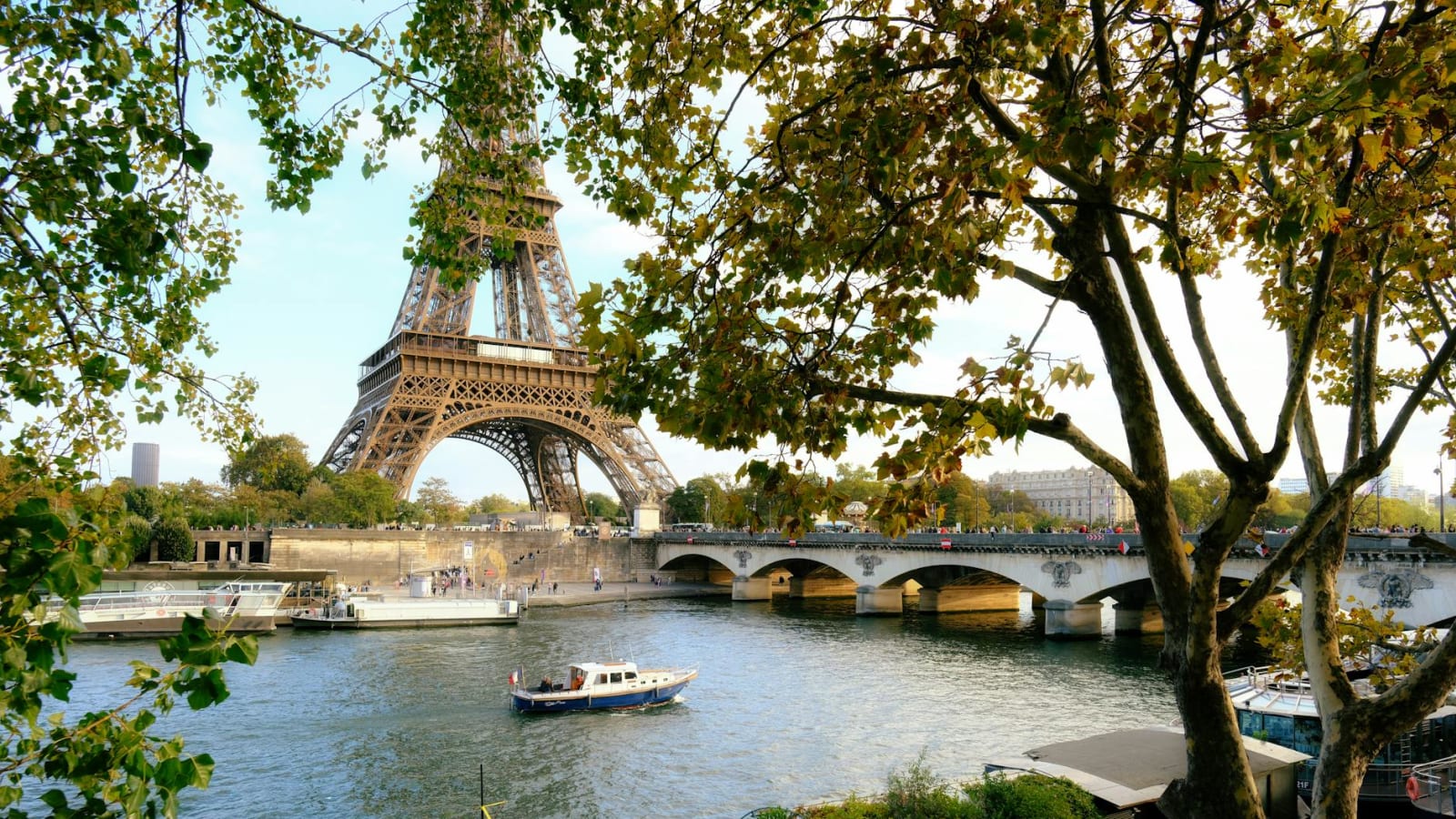
Marvel at the Eiffel Tower from every angle
No visit to Paris is complete without encountering Gustave Eiffel's iron masterpiece, but experiencing it properly requires strategy. Rather than simply ticking it off your list, approach the tower from different perspectives throughout your stay. Start at Trocadéro Gardens at sunrise when you'll find fewer crowds and golden light painting the monument's latticework. The esplanade offers unobstructed views perfect for photographs that capture the tower's full majesty against the morning sky.
Book your ascent tickets months in advance through the official website to secure your preferred time slot. The second-floor observation deck provides the ideal balance between height and detail, letting you identify landmarks while remaining close enough to appreciate the city's architectural character. If you're celebrating something special, reserve a table at Le Jules Verne restaurant on the second floor where Michelin-starred cuisine meets breathtaking vistas.
For a memorable evening perspective, visit the Champ de Mars gardens as dusk settles. Bring a blanket and picnic supplies from a nearby fromagerie and boulangerie. When the tower's lights begin their hourly sparkle show, you'll understand why this engineering wonder remains the world's most visited paid monument after more than 135 years.
Wander through the Louvre's treasures
The world's largest art museum demands more than a rushed visit to see the Mona Lisa. With over 35,000 works across 652,000 square feet, the Louvre rewards strategic planning. Purchase timed-entry tickets online and arrive when doors open to beat the midday crowds. Enter through the Porte des Lions entrance rather than the famous pyramid for faster access and fewer queues.
Beyond Leonardo's enigmatic masterpiece, dedicate time to the museum's lesser-known galleries. The French painting collection houses Delacroix's Liberty Leading the People and Géricault's Raft of the Medusa, both massive canvases that command attention. The Islamic Art galleries beneath their undulating golden roof showcase exquisite ceramics and textiles in a stunning contemporary space. Don't overlook the medieval Louvre foundations visible in the basement, revealing the fortress that predated the current palace.
Consider focusing on a single department per visit rather than attempting comprehensive coverage. The Egyptian Antiquities collection alone could occupy an entire morning, with mummies, hieroglyphic tablets, and the imposing Great Sphinx of Tanis. Download the Louvre's official app for self-guided tours that reveal stories behind major works and hidden gems alike.
Experience Montmartre's bohemian charm
Perched on Paris's highest hill, Montmartre retains the village atmosphere that attracted Picasso, Van Gogh, and Toulouse-Lautrec over a century ago. Begin your exploration at the iconic Sacré-Cœur Basilica, whose white Romano-Byzantine domes dominate the skyline. Climb the dome's 300 steps for panoramic city views that extend up to 30 miles on clear days. The basilica's interior glows with one of the world's largest mosaics, depicting Christ with outstretched arms above the choir.
Descend into the warren of cobbled streets surrounding Place du Tertre, where artists still set up easels to paint and sketch. While the square itself caters heavily to tourists, the surrounding lanes reveal authentic charm. Explore Rue Lepic's market stalls and the famous Café des Deux Moulins where Amélie worked in the beloved film. Visit the Musée de Montmartre to learn about the neighbourhood's artistic heritage through paintings, posters, and the reconstructed studio of Suzanne Valadon.
Time your visit for late afternoon when tour groups disperse and golden hour light washes over the village. Stop at a traditional bistro for steak frites or coq au vin, then wander past the Moulin de la Galette, one of Montmartre's two remaining windmills immortalized in Renoir's paintings. As evening falls, the area transforms into a romanticscape of street lamps and accordion music echoing through historic passages.
Cruise the Seine River at sunset
Paris reveals its most enchanting face from the water, where bridges, monuments, and mansions parade along both banks in an architectural timeline spanning centuries. A Seine cruise at sunset combines sightseeing with romance as the city's lights begin their nightly illumination. Various companies offer one-hour cruises departing from near the Eiffel Tower or Pont Neuf, with recorded or live commentary identifying landmarks as you glide past.
From the water, you'll appreciate how the Seine shaped Paris's development and continues to define its geography. Pass beneath the Pont Alexandre III with its gilded sculptures and art nouveau lamps, widely considered Paris's most ornate bridge. Drift by the Musée d'Orsay's clock tower, once a railway station and now home to the world's finest Impressionist collection. See Notre-Dame's flying buttresses from an angle impossible to achieve on land, and note the restoration progress following the 2019 fire.
For a more intimate experience, book a smaller vessel or dinner cruise where you'll enjoy French cuisine while the city slides past your window table. Evening cruises capture the moment when Paris transitions from day to night, its monuments dramatically floodlit against the darkening sky. The reflections dancing across the water's surface create photographic opportunities you won't find on land, making this one of Paris's most memorable perspectives.
Stroll through the Latin Quarter and its intellectual legacy
The Left Bank's Latin Quarter has been Paris's intellectual heart since the Middle Ages, when scholars conducted lectures in Latin at the Sorbonne. Today, this vibrant neighbourhood blends academic tradition with bookshops, jazz clubs, and intimate restaurants. Begin at the Panthéon, the neoclassical monument housing the remains of France's greatest thinkers, from Voltaire and Rousseau to Marie Curie and Victor Hugo. The building's soaring dome and Foucault's pendulum demonstration make it worth the entry fee.
Wind through the medieval streets surrounding Boulevard Saint-Michel, where Hemingway, Fitzgerald, and other Lost Generation writers once gathered. Browse the shelves at Shakespeare and Company, the English-language bookshop overlooking Notre-Dame where aspiring writers still sleep among the volumes in exchange for helping in the shop. The Jardin du Luxembourg offers a green respite with its formal gardens, pond where children sail toy boats, and chairs perfectly positioned for people-watching.
Explore Rue Mouffetard, one of Paris's oldest market streets, where vendors sell cheese, wine, produce, and prepared foods. The street's medieval character remains intact despite the modern shops, and you'll find excellent value bistros on the side lanes. Stop at the Grande Mosquée de Paris for mint tea and pastries in the North African tearoom, an unexpected oasis featuring intricate tilework and a peaceful courtyard garden that transports you beyond France's borders.
Discover the Palace of Versailles
Just 12 miles southwest of Paris, the Palace of Versailles represents the absolute zenith of royal excess and baroque artistry. Louis XIV's masterpiece sprawls across 2,000 acres with 700 rooms, making it one of Europe's most spectacular estates. Take the RER C train from central Paris to Versailles-Château-Rive-Gauche station for the most economical access, or arrange a guided tour that handles transportation and skip-the-line entry.
The palace's Hall of Mirrors dazzles with 357 mirrors reflecting light from 17 arched windows overlooking the gardens. This 240-foot gallery witnessed pivotal moments in history, including the signing of the Treaty of Versailles ending World War I. The King's Grand Apartments showcase Louis XIV's daily life through elaborately decorated chambers, each dedicated to a different Roman deity. Don't miss the Royal Chapel with its soaring columns and ceiling frescoes depicting biblical scenes.
Reserve substantial time for the gardens, designed by André Le Nôtre as an outdoor extension of the palace's grandeur. Geometric lawns, reflecting pools, and sculptured groves stretch toward the horizon in perfect symmetry. From April through October, fountain shows set to baroque music animate the gardens on weekends. Walk to the Petit Trianon and Marie Antoinette's estate, where the doomed queen escaped court formality in her rustic hamlet, complete with a working farm and picturesque cottages around a lake.
Savour Parisian food culture
Paris's culinary scene extends far beyond Michelin-starred temples of gastronomy to encompass markets, bakeries, bistros, and wine bars where everyday excellence thrives. Start your mornings at a neighbourhood boulangerie for fresh croissants and pain au chocolat—look for the Artisan Boulanger sign indicating bread baked on premises. Café culture remains central to Parisian life, where sitting for an espresso or glass of wine at a terrace table is less about the beverage than about observing the human theatre unfolding along the boulevard.
Visit a covered market like Marché des Enfants Rouges in the Marais, Paris's oldest covered market, where vendors serve prepared foods from around the world alongside traditional French products. For cheese education, stop at a fromagerie where knowledgeable staff guide you through France's hundreds of varieties, explaining ripeness and perfect pairings. Pick up wine at a cave where small producers from lesser-known regions offer extraordinary value compared to famous appellations.
Book at least one proper bistro meal featuring classic dishes executed with quality ingredients and time-honoured technique. Seek out neighbourhood establishments rather than tourist traps near major monuments. A well-made blanquette de veau, duck confit, or sole meunière reveals why French cuisine earned its reputation. End evenings at a wine bar in Saint-Germain-des-Prés or the Marais, where you'll taste natural wines and creative small plates in convivial atmospheres that extend past midnight.
Explore the charming Marais district
The Marais blends medieval and Renaissance architecture with contemporary boutiques, galleries, and restaurants, creating Paris's most eclectic neighbourhood. Its narrow streets escaped the massive demolitions of Baron Haussmann's 19th-century renovations, preserving the medieval street plan and historic hôtels particuliers—aristocratic mansions built around interior courtyards. Today, this cultural crossroads houses Paris's Jewish quarter, LGBTQ+ community hub, and some of the city's finest museums.
Visit the Musée Carnavalet to understand Paris's history through paintings, sculptures, and room recreations spanning from prehistoric times to the 20th century. The admission-free museum occupies two connected mansions surrounding elegant courtyards. The Musée Picasso houses over 5,000 works in the stunning Hôtel Salé, offering comprehensive insight into the artist's revolutionary career across all his creative periods. Place des Vosges, Paris's oldest planned square, provides a perfect spot to rest beneath the arcades surrounding its symmetrical gardens.
The Marais rewards aimless wandering through its boutique-lined lanes. Discover vintage clothing shops, contemporary art galleries, and design stores showcasing French craftsmanship. Rue des Rosiers pulses with falafel shops, Jewish bakeries, and delicatessens where you can sample Eastern European specialties. Sunday afternoons bring the neighbourhood fully alive as Parisians shop, lunch, and stroll—unlike most of Paris, the Marais trades on Sundays while other areas close.
Visit the artistic haven of Musée d'Orsay
Housed in a magnificent Beaux-Arts railway station, the Musée d'Orsay contains the world's greatest collection of Impressionist and Post-Impressionist masterpieces. The building itself deserves admiration, with its soaring barrel-vaulted ceiling, ornate clock faces overlooking the Seine, and grand hall that once accommodated luxury trains departing for southwestern France. The conversion from station to museum preserved these architectural features while creating galleries suited to displaying art from 1848 to 1914.
The fifth floor houses the museum's greatest treasures: works by Monet, Renoir, Degas, Manet, and their contemporaries who revolutionized art by capturing light, movement, and modern life. Stand before Monet's shimmering water lilies, Renoir's sun-dappled Dance at Le Moulin de la Galette, and Van Gogh's swirling Starry Night Over the Rhône. The collection traces Impressionism's evolution and influence on subsequent movements including Pointillism, Symbolism, and early Modern art.
Don't overlook the sculpture galleries, decorative arts, and architecture sections that provide context for the painting collection. The museum café behind one of those giant clocks offers prime views across the Seine toward Montmartre. Book tickets online for your preferred time slot, and consider visiting Tuesday evenings when the museum stays open until 9:45pm with smaller crowds and atmospheric lighting that enhances the experience.
Experience the gardens and greenspaces
Paris's parks and gardens provide essential breathing room within the urban density, offering beautifully designed spaces for relaxation and recreation. Beyond the famous Luxembourg and Tuileries gardens, discover lesser-known parks that reveal different facets of Parisian life. The Promenade Plantée, built on a former railway viaduct decades before New York's High Line, stretches nearly three miles from Bastille through eastern neighbourhoods, offering an elevated greenway above the streets.
Parc des Buttes-Chaumont in the 19th arrondissement transforms a former quarry into one of Paris's most dramatic parks with artificial cliffs, a suspended bridge, a waterfall, and a temple crowning a rocky island. Its romantic landscape design contrasts sharply with the geometric formality of classic French gardens, providing varied terrain for walks and picnics with fewer tourists than central parks.
Visit the Jardin des Plantes, Paris's botanical garden established in 1626, which combines scientific collections with landscaped areas perfect for strolling. The attached Natural History Museum houses the Grande Galerie de l'Évolution with its spectacular parade of taxidermied animals beneath a glass-roofed nave. In spring and early summer, the rose garden at Parc de Bagatelle in the Bois de Boulogne explodes with colour and fragrance from over 10,000 rose bushes representing 1,200 varieties.
Conclusion
Paris in 2026 continues to captivate with its timeless appeal enhanced by thoughtful modern touches. These ten experiences form the foundation of a memorable visit, but remember that Paris's greatest gift is serendipity—the unexpected courtyard, the perfect bistro discovered by chance, the conversation with a local that reveals hidden perspectives. Book your flights through Fareoworld to secure excellent value on your journey to the City of Light, then let Paris work its magic as you explore beyond the guidebook itinerary. The monuments and museums anchor your visit, but the moments between attractions often become your most treasured memories of this incomparable city.
Frequently Asked Questions
Hero image: Özgür KAYA on Pexels